About Artemes AI

Security practitioners building for evidence, context, and action.

Chris Seymour and Alex Gibson have built operational software, network defense analytics, and tools for cyber and network analysts in demanding mission environments. Artemes AI applies that experience to vulnerability decisions that stay tied to observed system evidence.

The problem we refused to accept.

A match between a package and a CVE is useful evidence, but it is not a complete risk decision. Teams also need to understand runtime state, exposure, asset importance, and the controls already in place.

Artemes AI is being built to preserve those distinctions. The workflow records what was observed, what remains unknown, and which next step can close the evidence gap before a team acts.

How the platform is built.

The current architecture combines endpoint telemetry, deterministic analytics, curated vulnerability intelligence, and AI analysis with practitioner review.

Deep Telemetry at Scale

Fleet and osquery provide Windows and Linux endpoint observations that can be stored in BigQuery for deterministic analysis and replay.

AI Analysis Grounded in Evidence

The analysis service can draft asset-level analysis from bounded case files. Deterministic quality checks block unsupported claims before findings can be promoted.

Curated Reference Data

CISA KEV, FIRST EPSS, and reviewed rules that link software to CVEs provide sourced vulnerability context before model analysis.

A deliberate evidence boundary

The system is designed to distinguish observed facts from inference. Missing exposure, threat, outcome, or compliance evidence stays missing instead of being filled from model memory.

How we build.

These principles are reflected in the current data model, prompt contract, and review workflow.

State the evidence boundary

Every conclusion should say what was observed, what is inferred, and what is still unknown.

AI Grounded in Telemetry

Draft analysis is built from bounded case files and sourced reference data, with provenance retained for review.

Make the next step reviewable

Recommendations should identify the evidence behind the finding and the validation or remediation step a practitioner can review.

Guard against unsupported claims

Automated checks flag unsupported statements about exposure, threats, outcomes, severity, compensating controls, and compliance.

Keep people in consequential decisions

Draft analysis is staged for review, and canonical promotion remains a controlled workflow.

The team behind the telemetry.

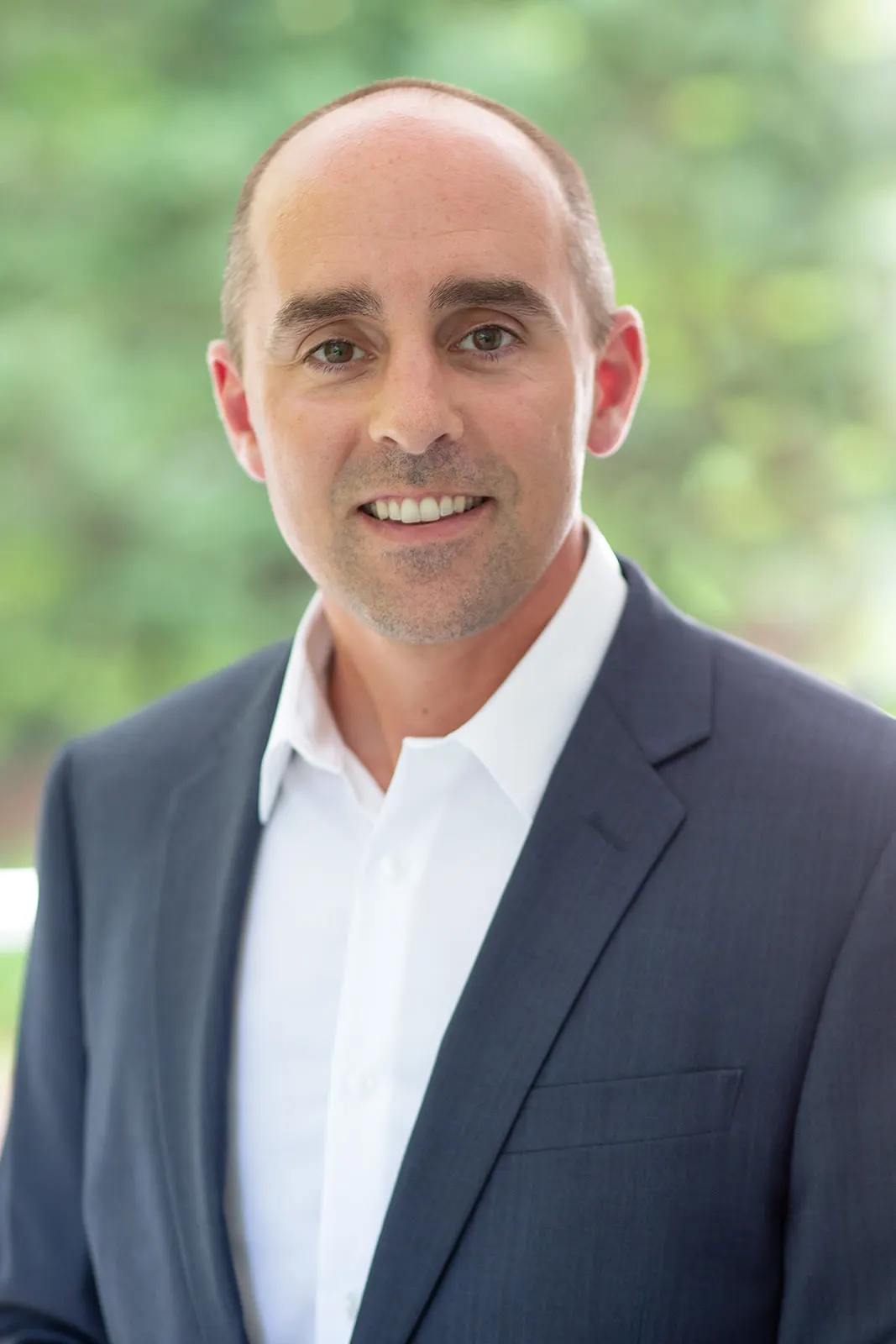
Chris Seymour, Cofounder and Principal at Artemes AI

Chris Seymour

Cofounder, Principal

Chris is a software engineer and business owner focused on network security. He designed and developed large cyber defense data collection and analytics capabilities used to support network situational awareness and defensive operations in DoD environments.
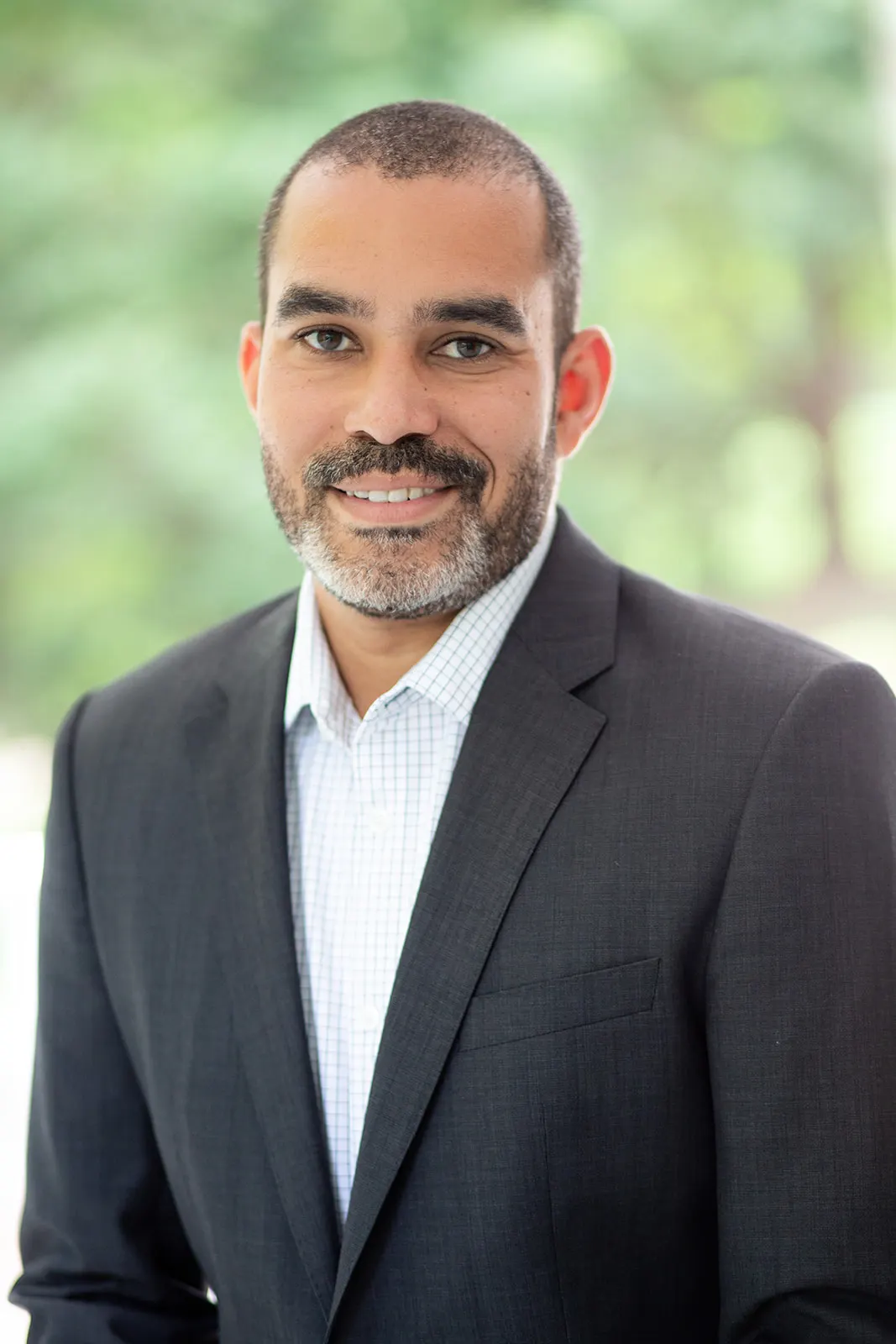
Alex Gibson, Cofounder and Principal at Artemes AI

Alex Gibson

Cofounder, Principal

Alex is a product engineer and business owner who builds tools that help people understand and protect their networks. He has created software used by cyber and network analysts during critical missions around the world.

What exists in the platform today

These are implemented workflow components, not customer, certification, or performance claims.

Telemetry and replay

Fleet/osquery observations flow through Pub/Sub into BigQuery for deterministic analytics and historical replay.

Sourced vulnerability context

CISA KEV, FIRST EPSS, and reviewed rules that link software to CVEs enrich context without asking a model to invent reference facts.

Analysis with practitioner review

Model output is staged as a draft, checked for unsupported claims, and retained with review artifacts before controlled promotion.

Workflow for each customer

Firestore records findings, assets, review state, assignments, due dates, report schedules, and dashboard summaries by customer.

Evaluate the workflow against your own security questions.

Request early access to discuss the telemetry you already collect, the decisions you need to support, and the evidence boundaries that matter in your environment.